
Pinocchio Theory Easy Read
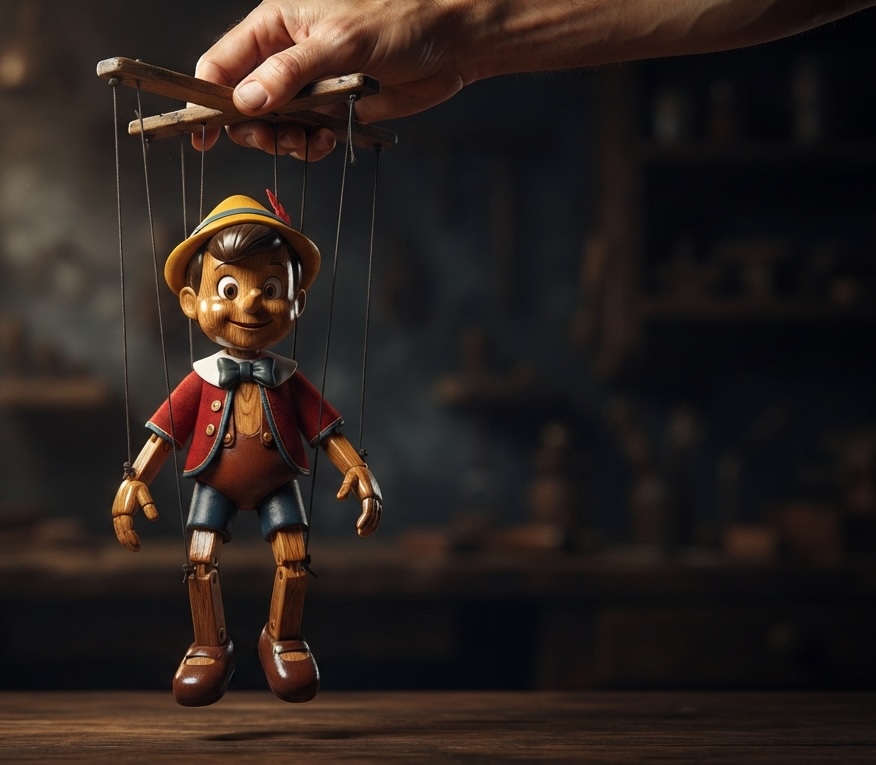
Welcome to the Journey: Finding the Strings That Hold Us Back
Welcome! I invite you to join me on a journey of discovery as we take a fresh look at a familiar childhood story: Pinocchio.
Originally written in 1881 by Carlo Collodi, The Adventures of Pinocchio tells the story of a wooden puppet who dreams of becoming a real boy. Many of us know the story through Disney’s famous 1940 animated film.
Here’s a quick refresher.
Pinocchio is a wooden puppet carved by a poor woodcarver named Geppetto. Through magic, the puppet comes to life. Geppetto loves him and tries to guide him, but Pinocchio doesn’t always listen. He ignores good advice, makes poor decisions, and gets caught up with dishonest characters like the Fox and the Cat.
As a result, he finds himself in all sorts of trouble. His nose grows whenever he lies, he gets turned into a donkey, and eventually finds himself swallowed by a giant whale, where he reunites with Geppetto.
Through these experiences, Pinocchio begins to understand the importance of honesty, responsibility, and caring for others. When he finally shows how much he has grown, the Blue Fairy rewards him by turning him into a real boy.
On the surface, Pinocchio is a children’s story about listening to your parents, making good choices, being honest, and taking responsibility for your actions. But what if there’s a deeper message hiding beneath the surface?
What if Pinocchio’s journey is also a story about us?
As adults, we can look at this classic tale as a metaphor for moving from being controlled by outside influences to taking responsibility for our own choices and actions.
Think about it. Pinocchio was created with strings attached to him. Those strings allowed Geppetto to move and control him. But Pinocchio wanted more. He wanted to move freely, make his own decisions, and become his own person.
Don’t we all experience something similar?
We might not have physical strings attached to us, but there are plenty of invisible ones influencing how we think, feel, make decisions, and respond to everyday situations.
Sometimes we don’t even recognize they’re there.
The key to becoming more in control of our lives is developing what we call personal agency. In simple terms, this means recognizing the influences around us and learning to make conscious choices about how we respond.
It’s not about ignoring everyone else or pretending outside influences don’t matter. It’s about recognizing what’s influencing us and deciding whether we want those influences to guide our actions.
What Are Your Strings?
In this interpretation, our invisible puppet strings represent the things that influence our decisions, sometimes without us even realizing:
- Other people’s approval: “I need to be who they want me to be so they’ll accept me.”
- Inherited expectations: “This is the life I’m supposed to want.”
- Fear and guilt: “I can’t say no because I don’t want to disappoint anyone.”
- Unquestioned habits: “This is how I’ve always done things, so why change?”
These are only a few examples, but they give us a starting point for understanding how our invisible strings influence our lives.
The Seven Strings That Influence Our Lives
We don’t know exactly how many strings were attached to Pinocchio or how Geppetto used them to control his movements. But for our purposes, I’m going to focus on seven major areas of life that influence the way we think, behave, and make decisions.
I’ll refer to these as our Seven Universal Puppet Strings:
- Career
- Health
- Relationships
- Finances
- Religion
- Social Background
- Personal Habits
Each of these areas has the potential to influence our choices, shape our beliefs, and affect the direction of our lives.
Throughout this blog series, we’ll take a closer look at each one and explore how these strings might be holding us back, moving us forward, or influencing decisions without us even knowing.
There may be other strings worth exploring along the way, but these seven give us a starting point.
A Little Something to Think About
Before we move forward, take a moment to reflect on a few questions:
- What’s pulling my strings right now? Is it fear, the need for approval, habit, or something I genuinely value?
- Do I agree with the reasons behind the choices I’m making?
- What would making a small, intentional choice look like in this situation?
- Am I willing to take responsibility for my choices, while accepting that I can’t control everything?
Here’s something important to remember: Not every limitation in life is within our control, and being free doesn’t mean having complete independence.
The goal isn’t to remove every outside influence. It’s to become more aware of those influences so we can make decisions with greater purpose and intention.
Put simply, the journey is about moving from asking:
“What’s driving my actions?”
To asking:
“Where do I want to go, and what choices will help me get there?”
Before We Continue…
As we take this journey together, keep three things in mind:
- Having no strings doesn’t automatically mean you’re free. Freedom starts with understanding what’s influencing you.
- Freedom doesn’t mean having no commitments. You can choose to commit to people, goals, and responsibilities without losing yourself in the process.
- This is YOUR journey of discovery. And while you might not be able to control every string attached to you, you already have the scissors to start cutting away the ones holding you back.
The question is: Are you ready to pick them up?
To Be Continued…
Part 1: The Theory — From Puppet Strings to the Motivation Continuum
Written by Coach Martin edited By Victoria Burke
Discover more from Coach Colin Martin
Subscribe to get the latest posts sent to your email.